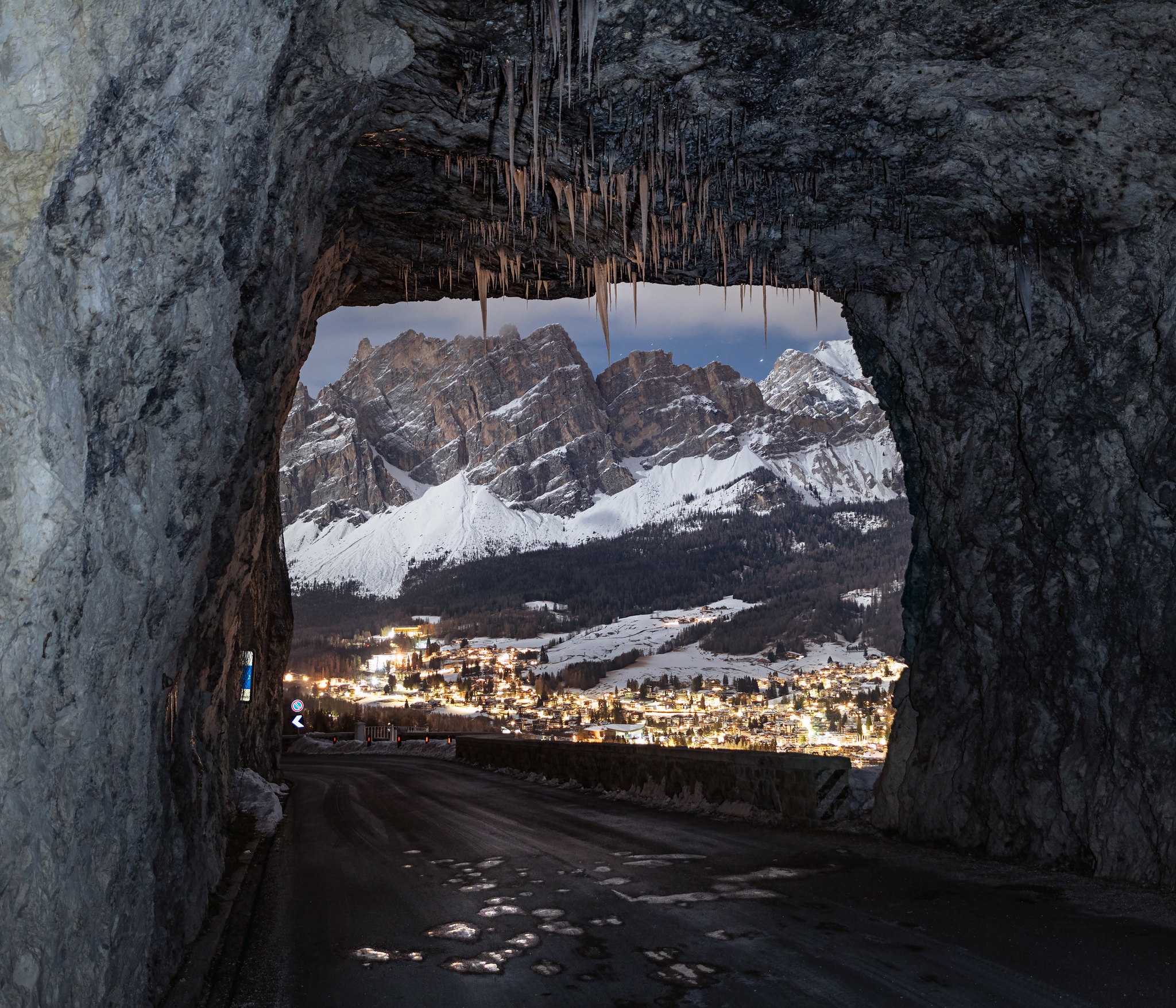
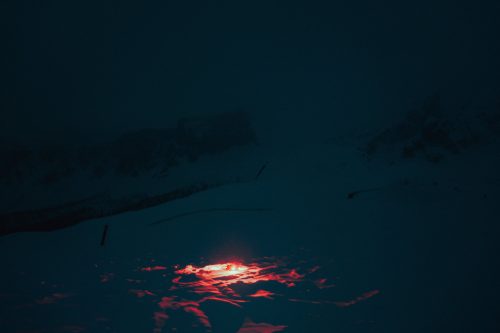
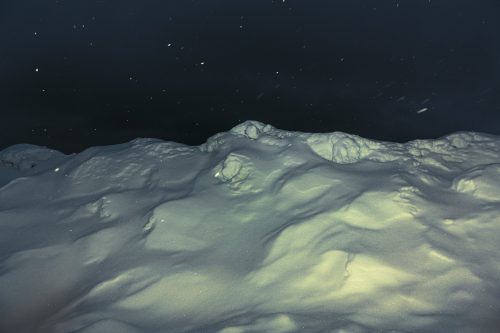
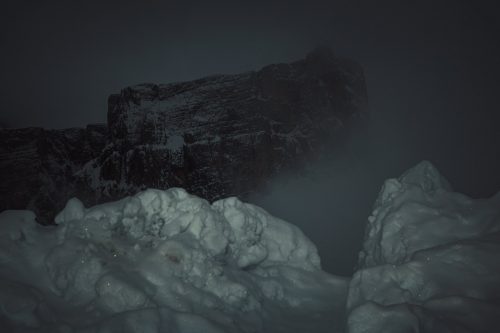
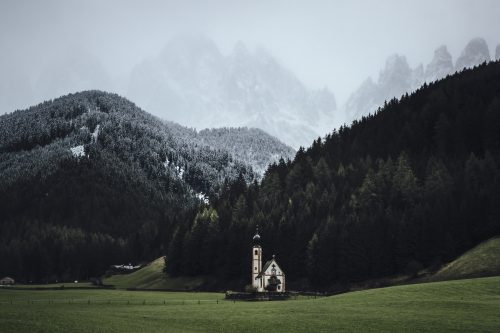
20世纪最有名的建筑师勒·柯布西耶是这样描述多洛米蒂山的:‘世界上最美的建筑杰作。’多洛米蒂表示:把它誉为建筑,是一种出于专业者本身最高的赞赏,但亦是人类局限思维的可惜体现。(我没资格杠柯布西耶,我就那么一假设).
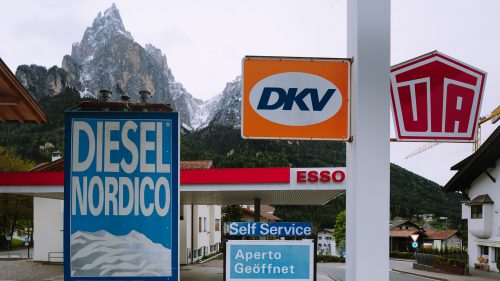
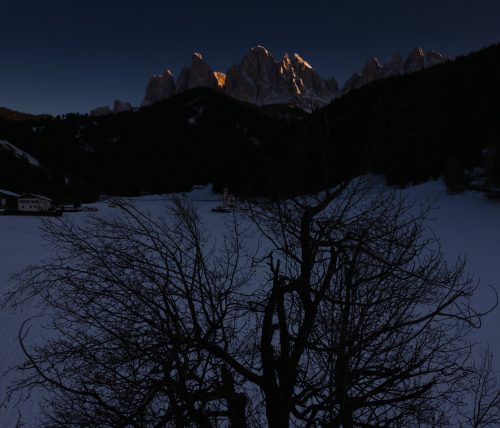
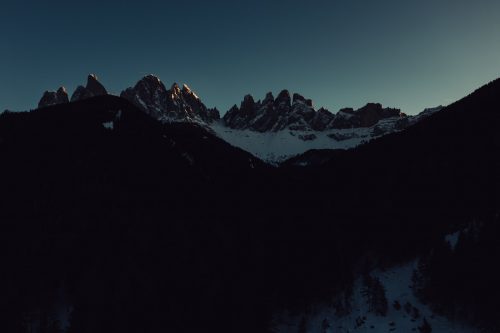
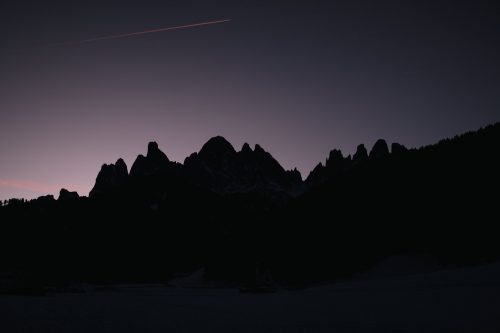
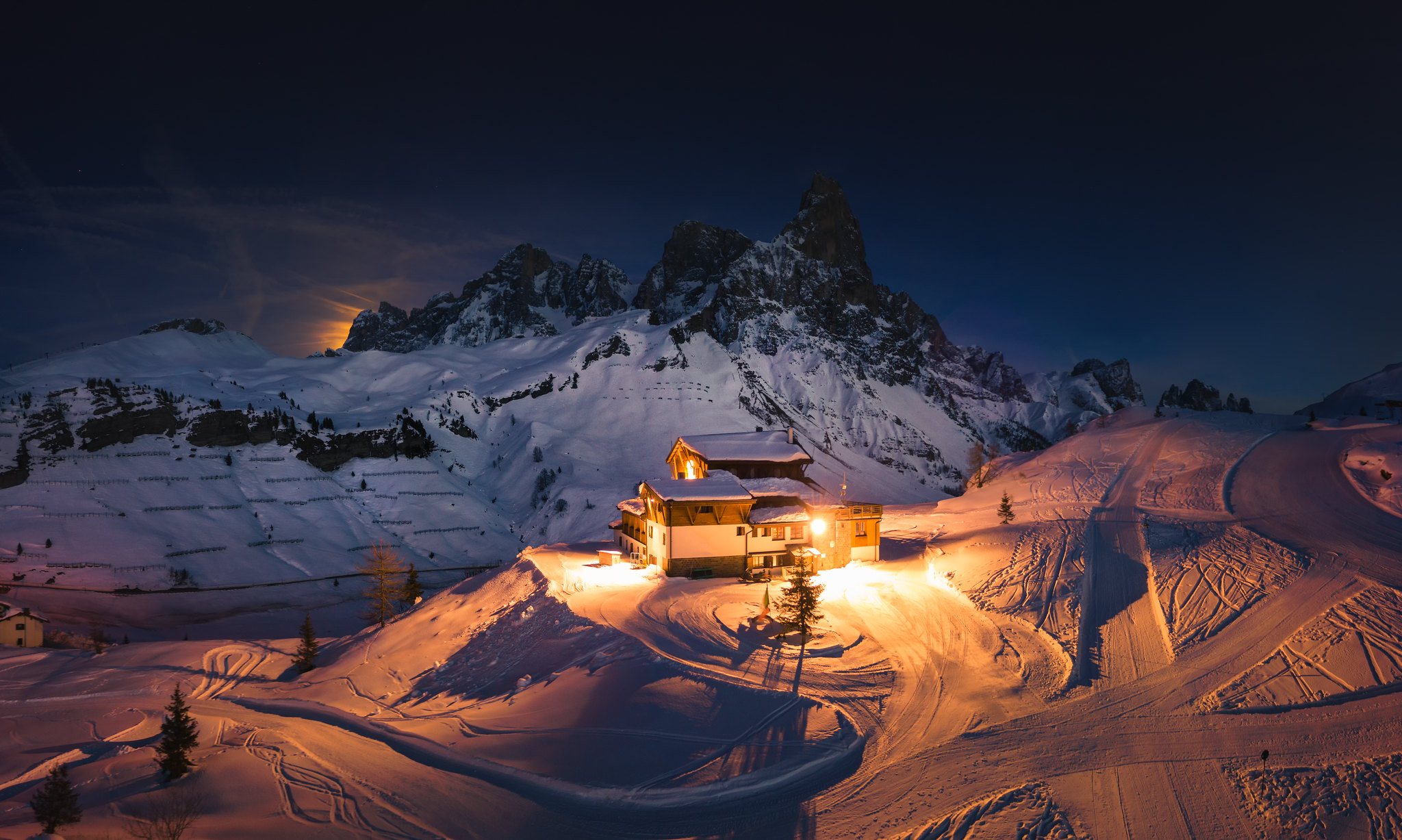
多洛米蒂山区位于意大利北部,是一处奇特的白云岩组成的峰群。白云岩一种石灰石,多洛米蒂山区盛产这种石头。山体由浅色石灰岩构成,受冰川和流水侵蚀作用影响,山脊呈锯齿形,山谷深邃,多陡峭岩崖。
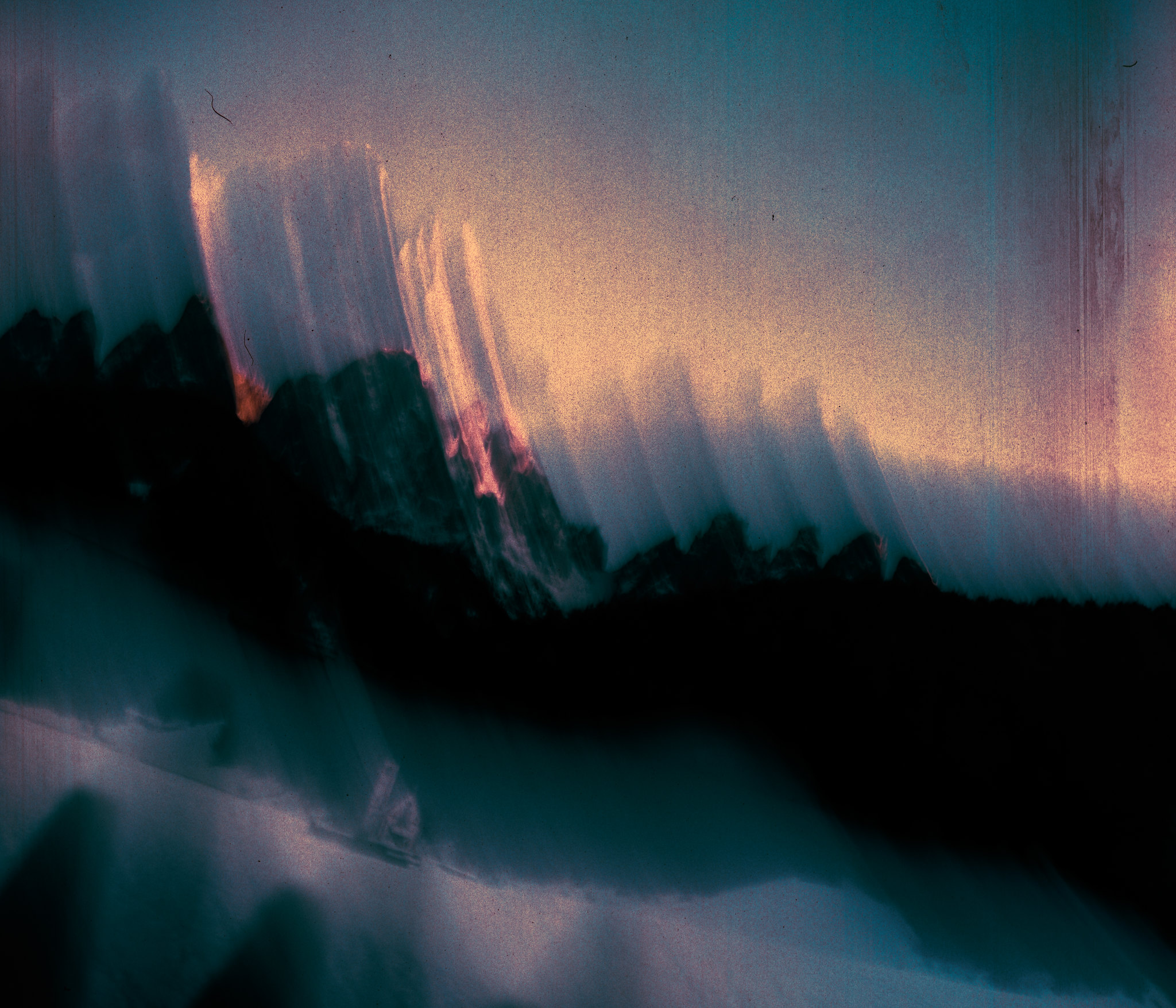
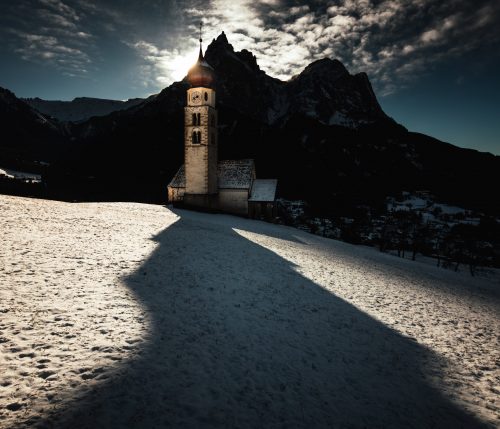
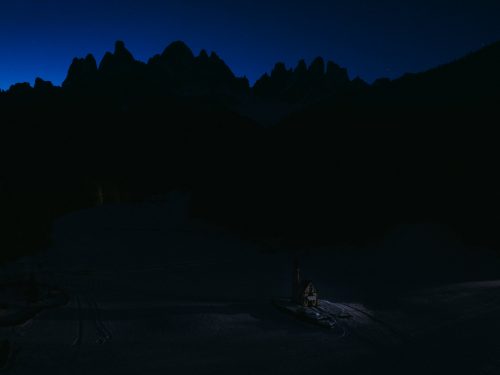
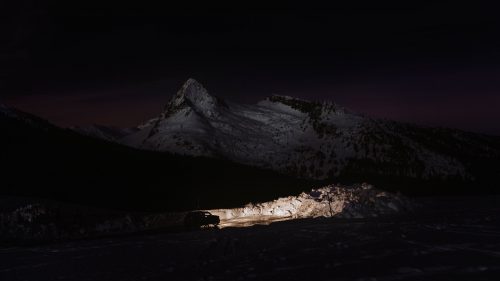
阳光就像雷达波一样,照射在山石的不同截面上,有的被黑色植物吸收,它隐身了,有的反射回来,人接收到信息,就成了我们眼里的日照金山。 无人机的嗡嗡声让我不得不犯尴尬,社交牛逼症患者缩着头尴尬着试探摄影角度,算了,反正小镇也没多少人,只要我不尴尬,那尴尬的就是他们了。
在米兰的大哥带我吃了他宿舍附近4欧一盒有虾仁的中餐盒饭,我们一路公交转上多洛米蒂,公交座椅背后光滑的亚克力里透露着的很薄的广告让我想到了07年去九寨沟时环保大巴椅背里的熊猫广告。我们急于寻找有蔬菜汤供应的餐厅,发现那里所有的美食都抵不过一碗蔬菜汤,好的。
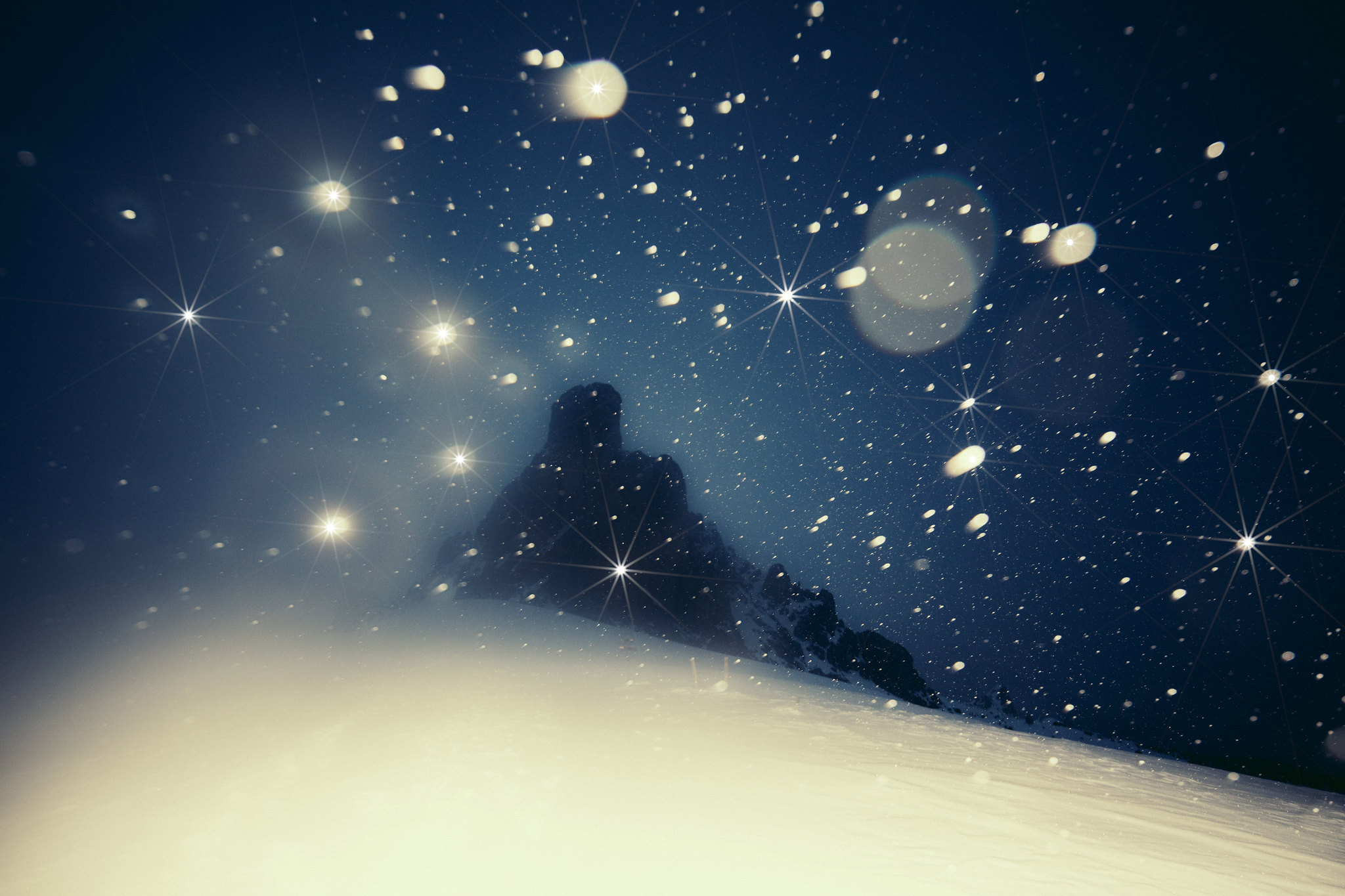
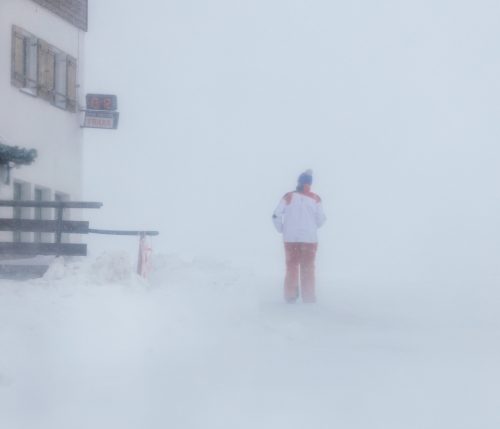
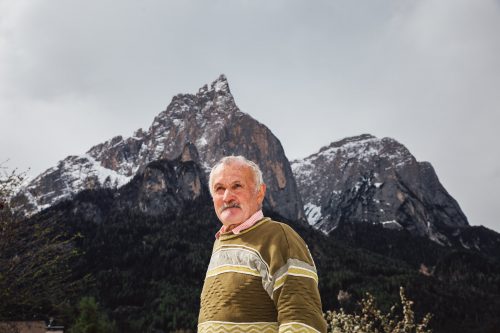
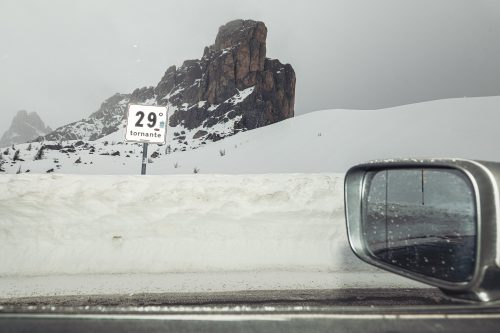
一切几乎都围绕匹兹波这座山峰,有一位大哥,他在山前观看空气或是清扫雪地。我在半年内两次到达大哥所在的小旅馆。第一次大哥在我要走时才出现,他拿着自己的600D和适马的一个金圈长焦表示自己也拍照,但我始终不知道他拍过些啥,好吧。第二次我特地寻找大哥,发现他在扫雪,我给他看了手机相册里第一次给他拍的照片,他表示不认识我,但是认识照片里的人,好吧。我往往对于一件事期待过高,把一点小确幸当作别人也会珍藏重视、藏在心底的小故事,结果其实也就那样吧,不要期待太多了吧。写关于多洛米蒂的内容时候在想心事,让我没办法再继续回忆多洛米蒂了,写不出来了,就这样吧。
思绪就像一张被用力撕扯的出租车发票,留下锯齿般的边缘以衔接未来。
Le Corbusier, the most celebrated architect of the 20th century, once said of the Dolomites: “The most beautiful architectural masterpiece in the world.” To the Dolomites themselves, being praised as “architecture” is the highest compliment a professional can offer — yet it also reveals the unfortunate limits of the human imagination. (Not that I’m in any position to argue with Le Corbusier; this is just a passing thought.)
The Dolomites are a striking range of dolomite peaks in northern Italy. Dolomite is a form of limestone, and the mountains are rich with it. Carved by glacial and fluvial erosion, the pale limestone masses form jagged ridgelines, deep valleys and sheer rocky cliffs.
Sunlight washes over the rock faces like radar waves. Some is absorbed by dark vegetation and vanishes from sight; the rest bounces back, and when that light reaches our eyes, it becomes the golden glow on snow-capped peaks we all know. The hum of the drone put me in an awkward spot. Someone who’s usually socially outgoing found myself hunching, sheepishly testing out camera angles. Oh well, it’s not like there are many people in this town anyway. If I don’t feel awkward, the awkwardness is on them.
A friend in Milan took me out for a Chinese takeout box with shrimp near his dorm — four euros each. We hopped on buses all the way to the Dolomites. The faint, thin ads behind the smooth acrylic panels on the bus seatbacks reminded me of the panda ads on the eco-bus seats from my trip to Jiuzhaigou in 2007. We hurried around looking for a restaurant that served vegetable soup, and realized none of the local delicacies hit quite like a simple bowl of vegetable soup. Fair enough.
Everything seemed to revolve around Mount Pizbo. There was this guy who’d stand out front, staring into the air or shoveling snow. Twice in half a year I stayed at the small inn where he worked. The first time, he only showed up right as I was leaving. He had his Canon 600D and a Sigma gold-ring telephoto lens, said he took photos too — though I never did find out what he shot. Alright then. The second time I went looking for him on purpose, and found him shoveling snow. I showed him the photo I’d taken of him on my first trip, saved on my phone. He said he didn’t recognize me, but he recognized the person in the picture. Alright then.
I always tend to expect too much. I’ll take one tiny, happy little moment and treat it like some precious story the other person must also cherish and tuck away in their heart. But in the end, it is what it is. Better not to expect so much. I was preoccupied with other things while writing about the Dolomites, and now I can’t bring myself to keep recalling the trip. I’ve got nothing more to say. That’s that.
My thoughts are like a taxi receipt wrenched apart by force, leaving serrated edges that bridge the way into the future.