













“不会休息的人,就不会工作”,列宁说过的这句话成为了百年后我们回看前苏联疗养院兴起的历史开端。
1920年,列宁颁布了《关于利用克里米亚慰劳劳动人民》的法令。在随后的两年,相继颁布的劳动法正式将“强制性休假”写进了法律条文之中。此后前苏联开始兴建疗养院,以遵守“每位公民每年须至少在疗养院里休养2周”的条例。此外前苏联风俗学(一种研究自然元素对人类医学影响的科学)的兴起也促使许多前苏联风俗学家主张通过自然地貌的影响,让身处其中的人缓解生理上的疾病和心理上的社会疏远感。因此许多疗养院都坐落在壮丽的自然景观中。
与现在我们观念里的度假休养不同,前苏联疗养院的兴建更多的是一种处于特定历史时期中意识形态下的任务,随着时代发展与更替,这些宏伟的建筑也逐渐衰败,沉入历史的深处。现如今,只有少部分保存良好的疗养院还在继续投入使用。除了那些带着休闲度假目的而来的游客,也有不少前苏联历史文化爱好者会慕名而来。
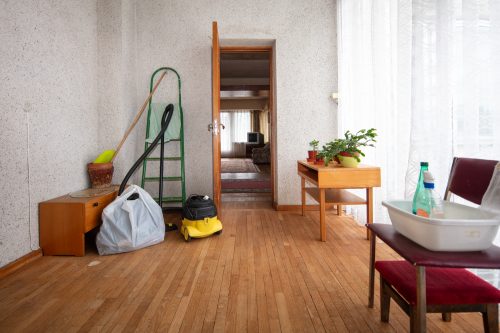
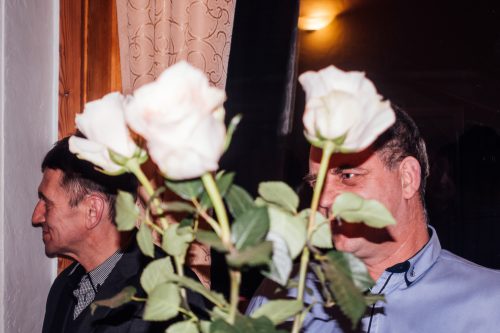
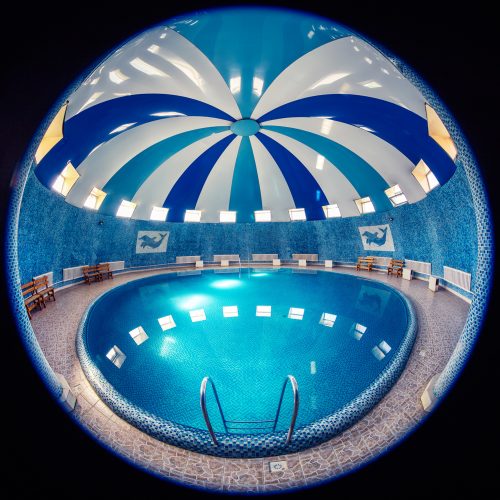
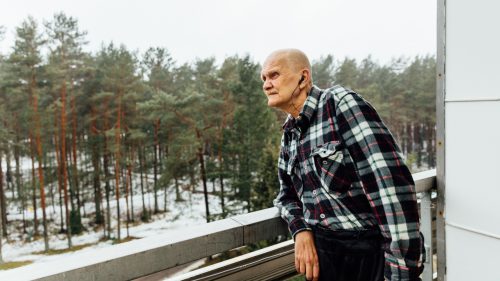
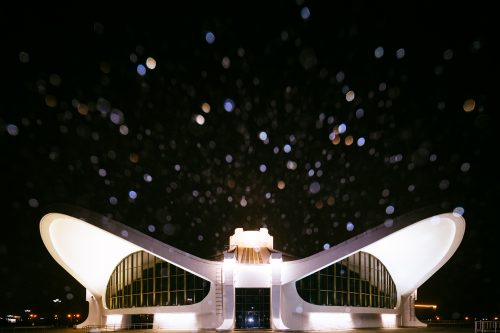
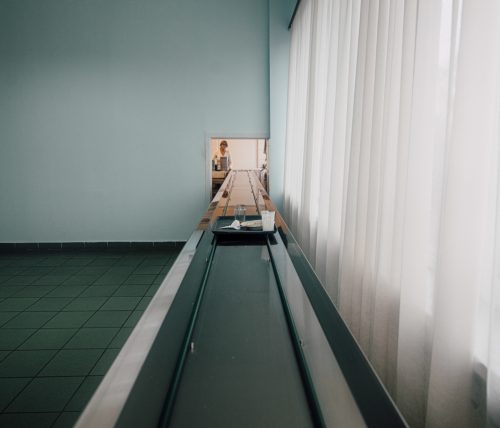
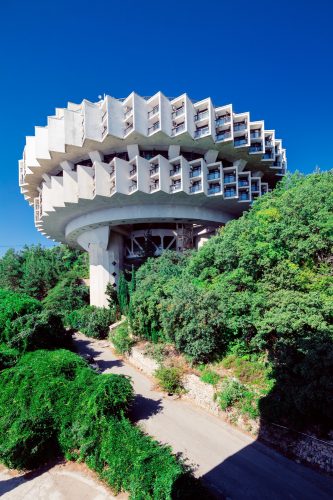
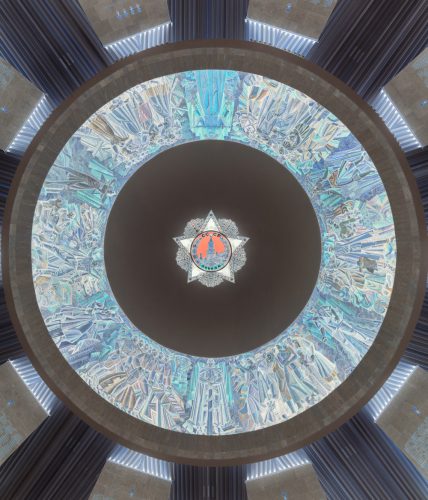
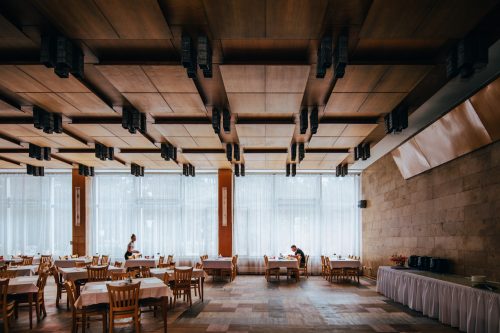
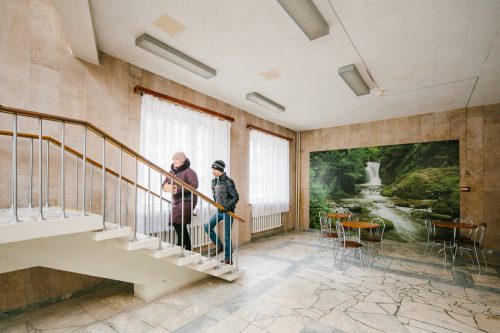
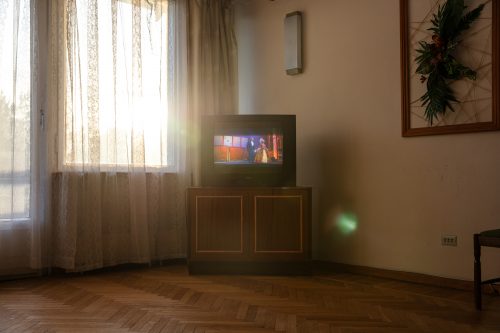
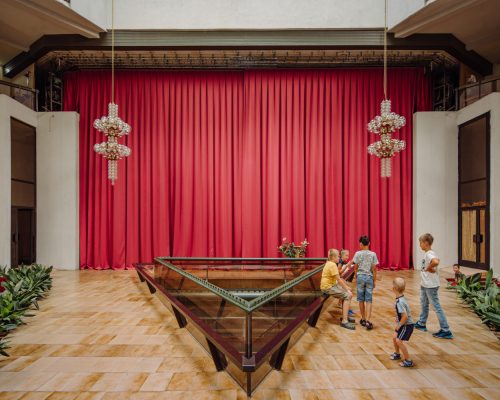
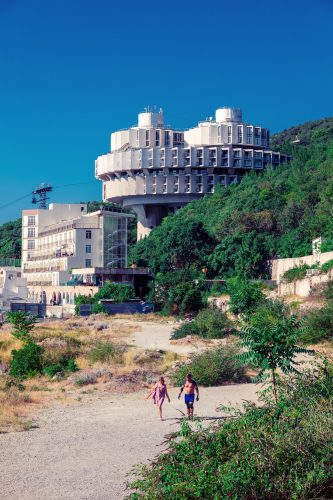
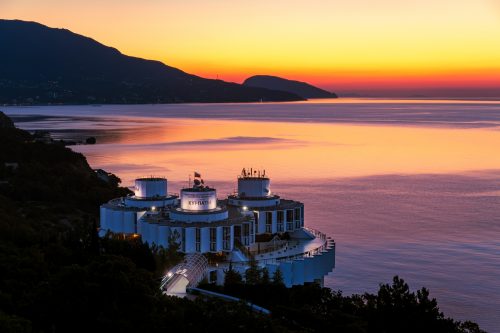
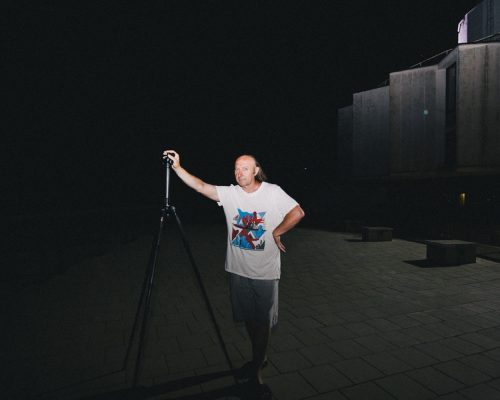
在过去的几年里我通过查阅研究历史资料,有选择地前往了10座于20世纪70年代前后建立,现仍旧保存完好的前苏联疗养院,试图通过身临其境的代入感,感受这些“时代见证者”在历史演变中的缓慢呼吸并记录下它们当下的样子。
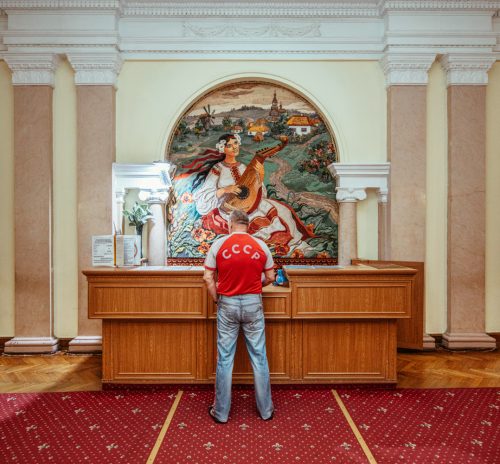
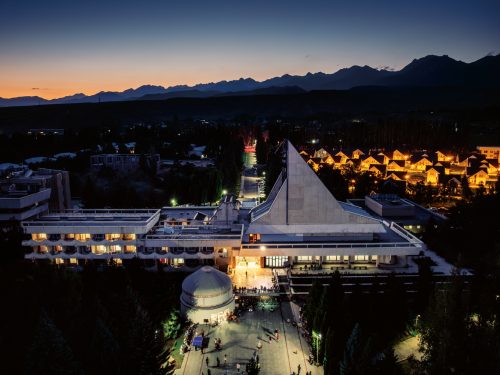
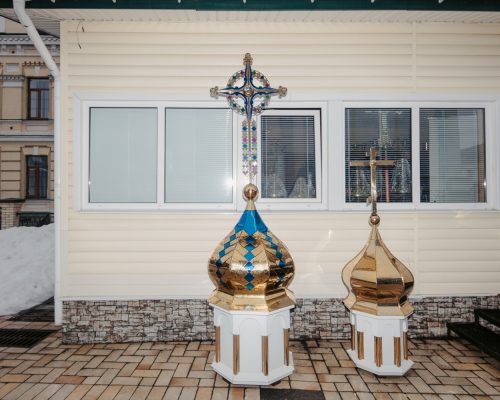
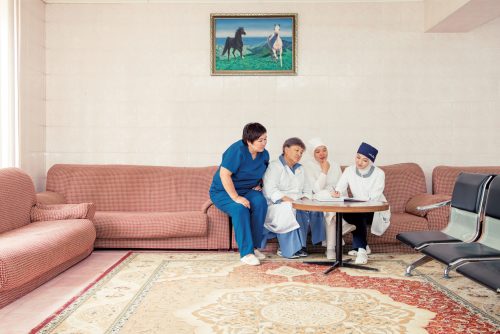
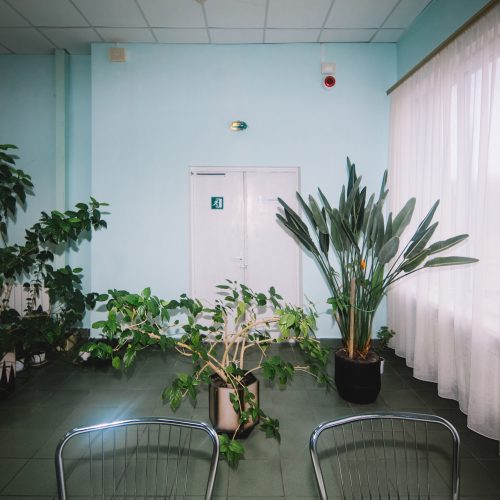
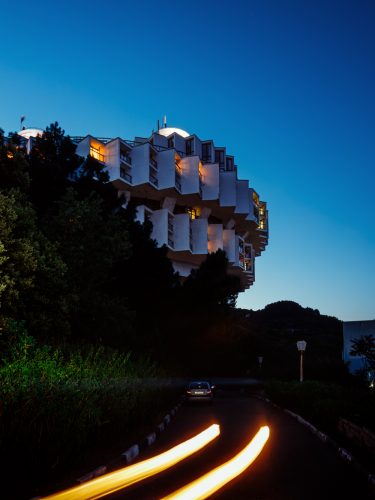
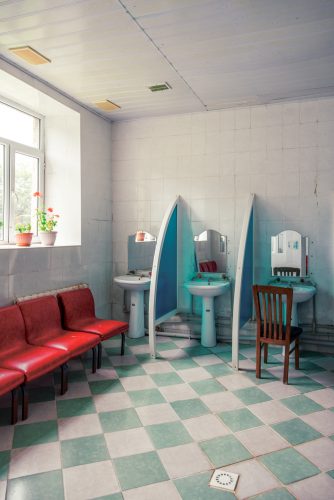
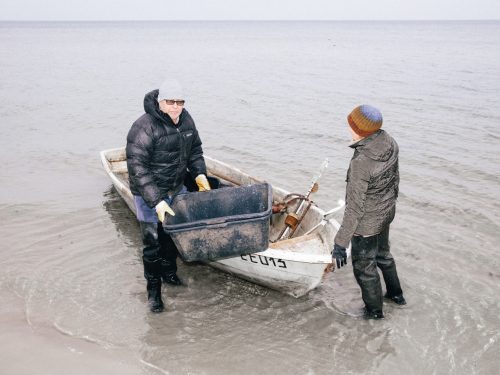
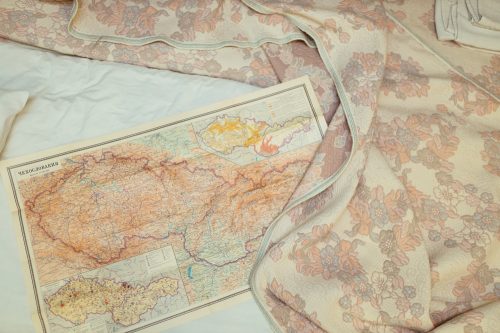
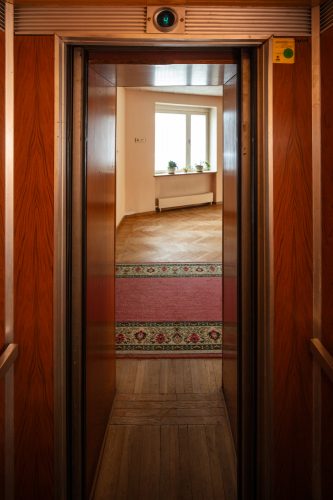
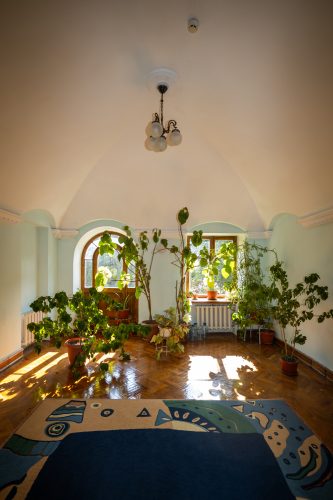
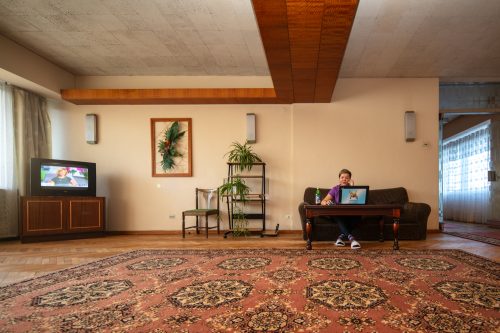
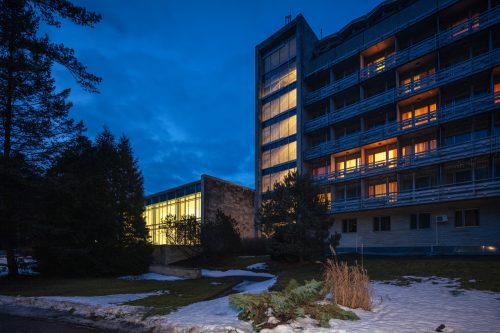
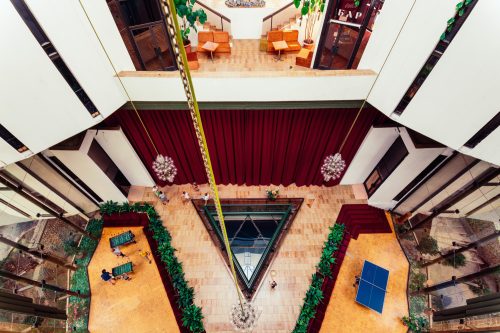
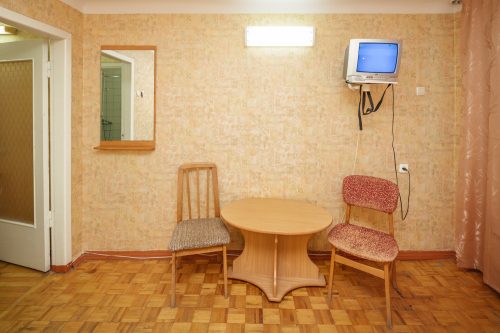
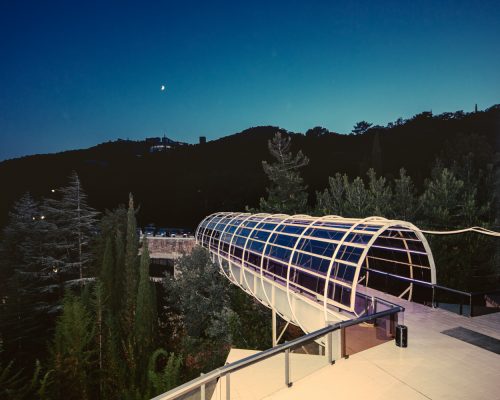
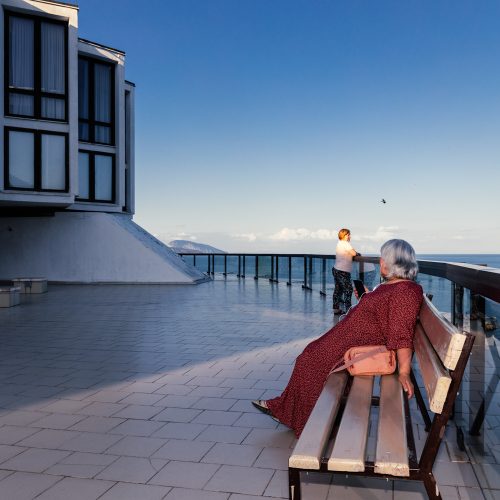
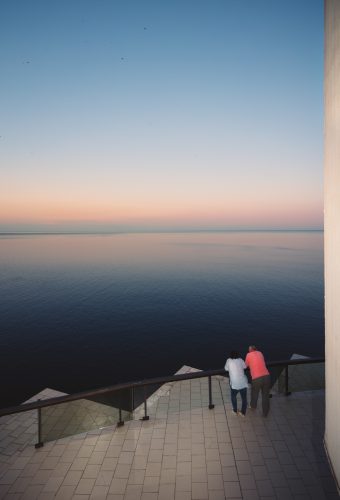
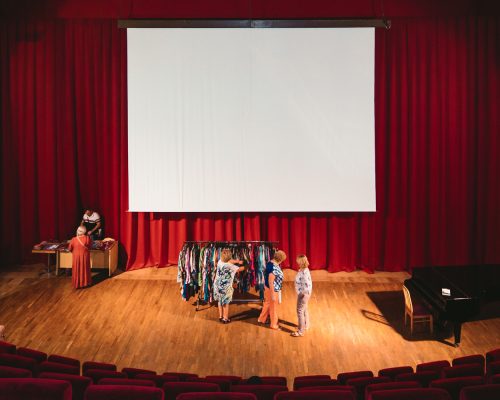
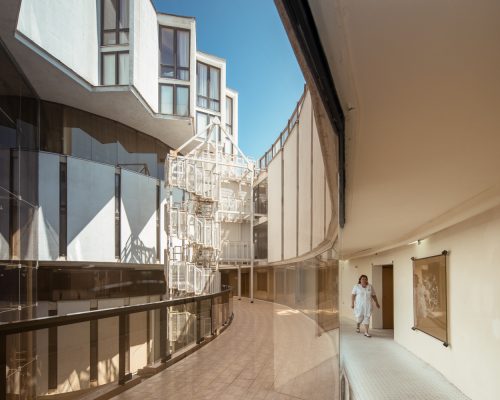
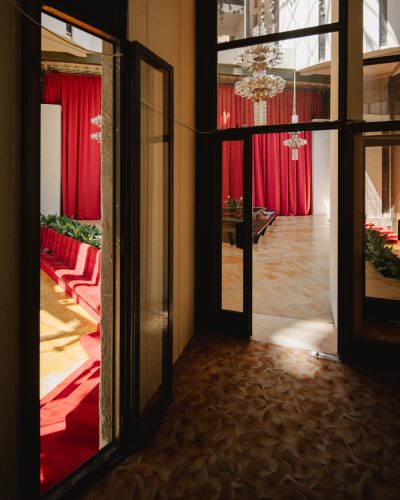
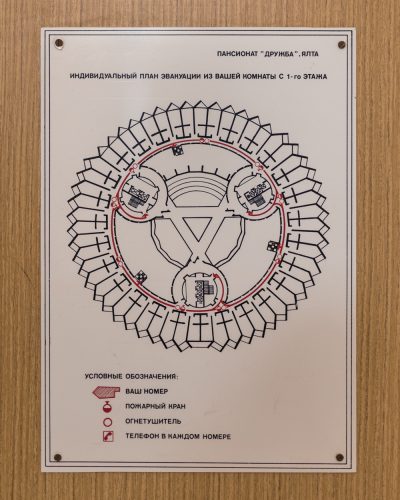
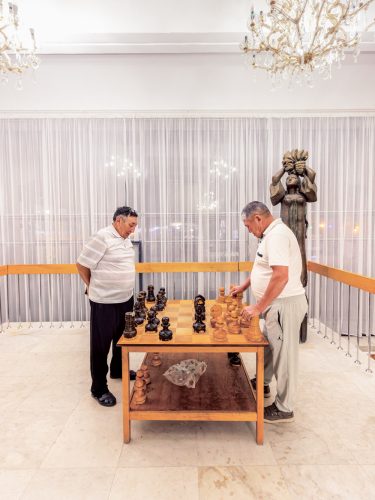
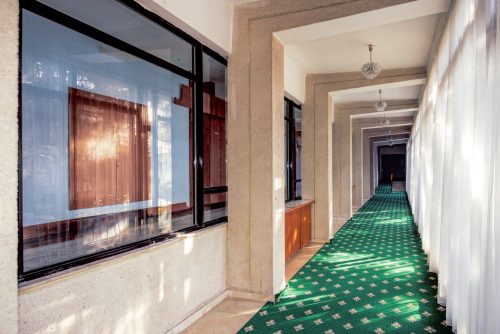
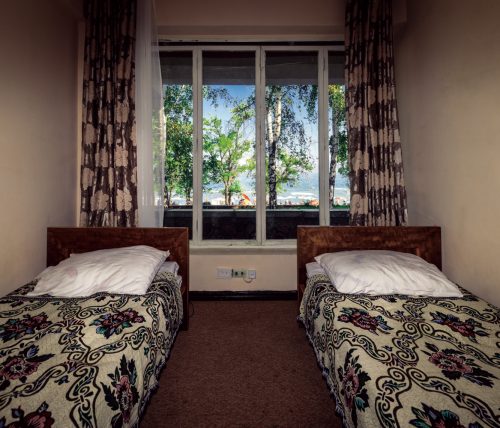
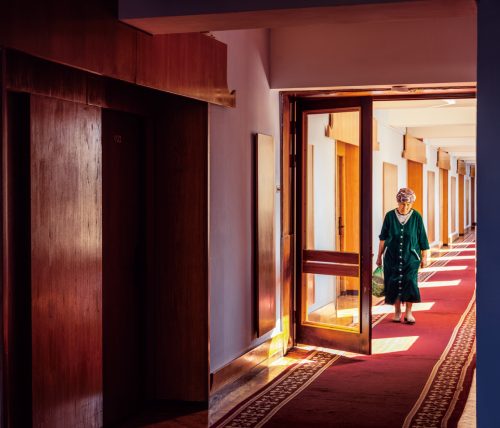
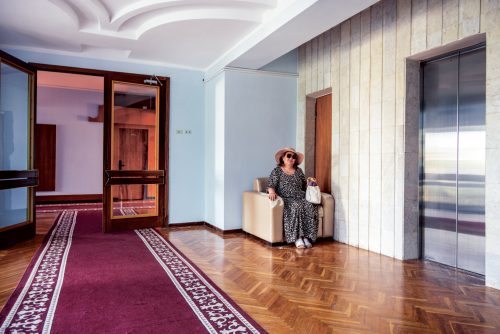
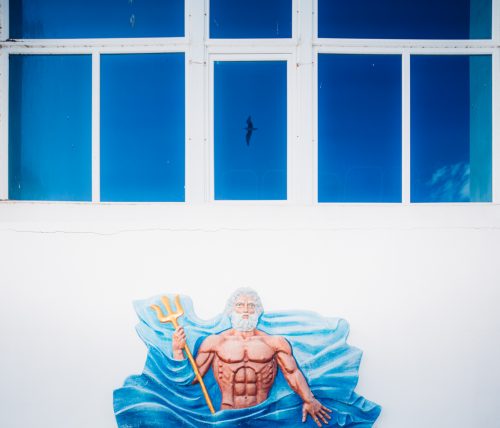
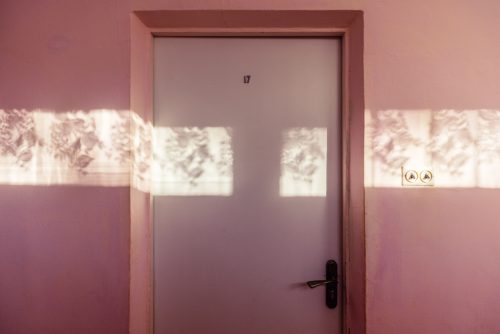
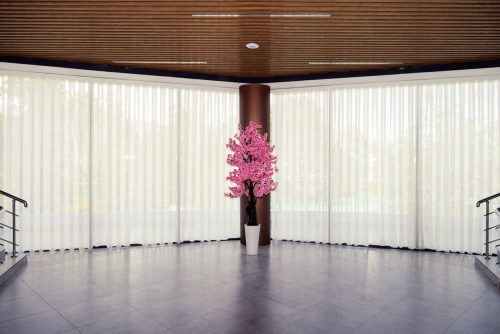
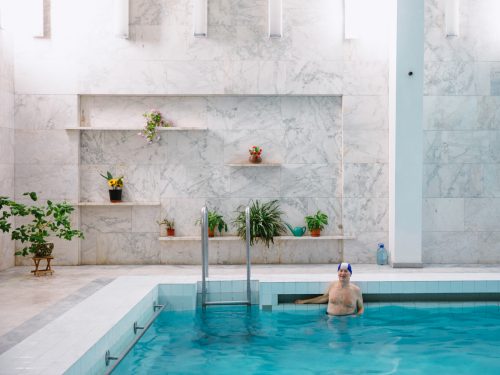
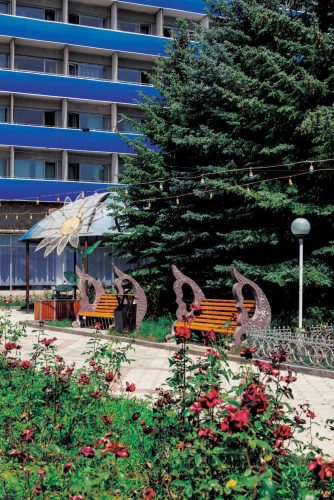
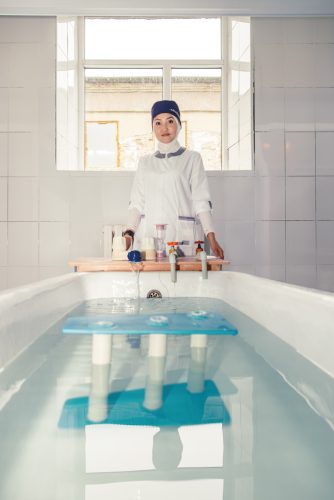
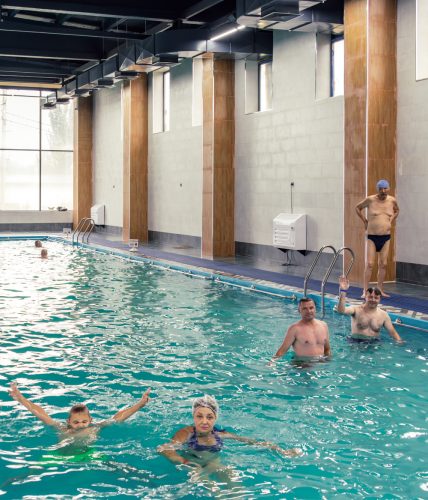
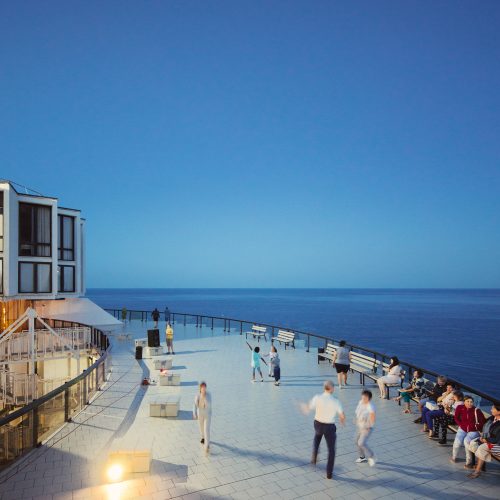
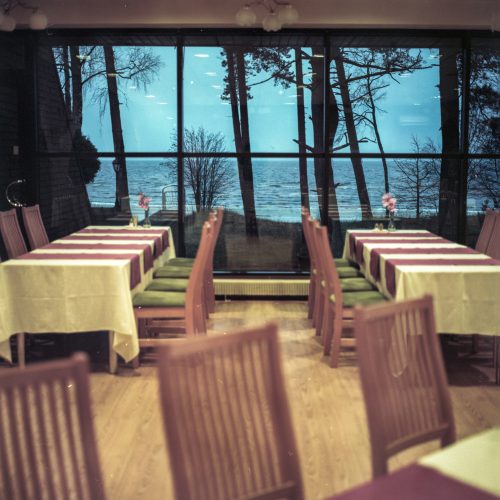
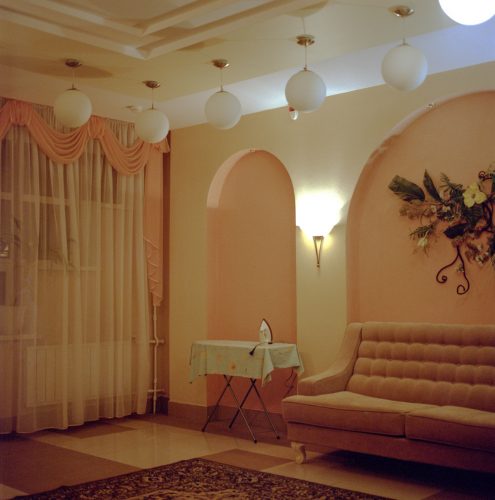
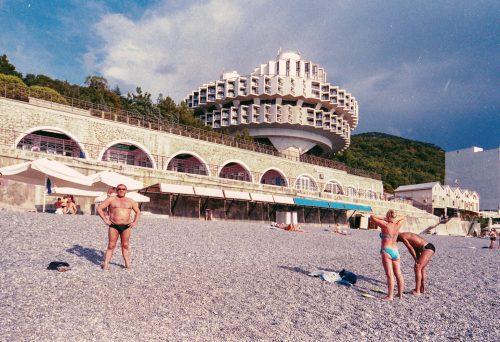
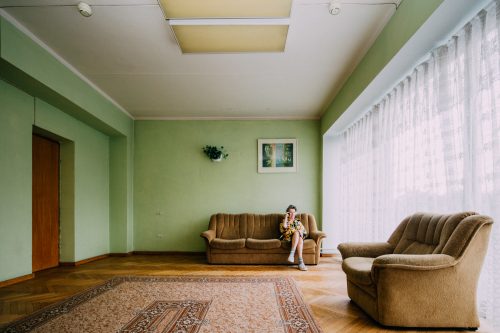
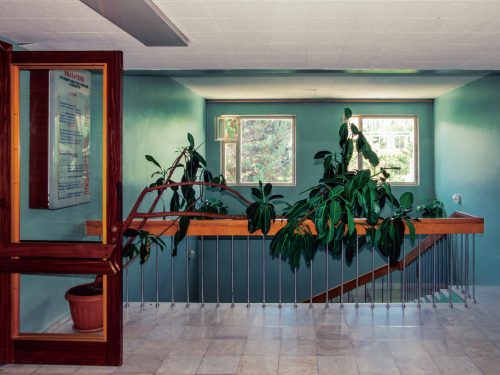
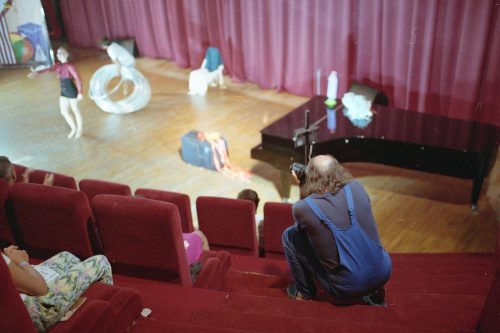
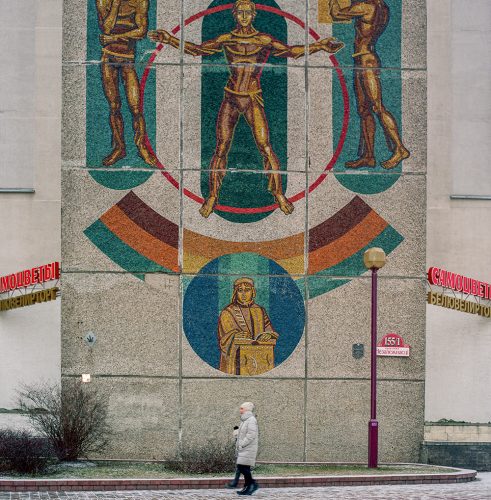
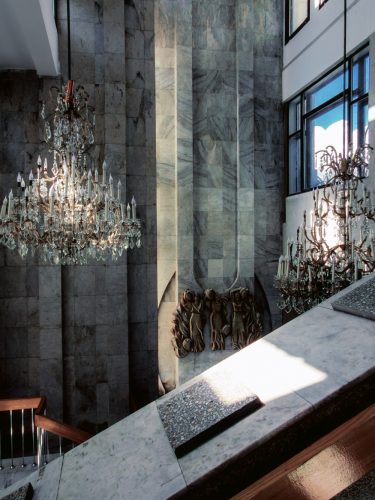
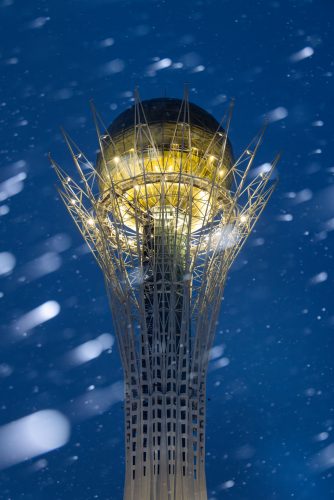
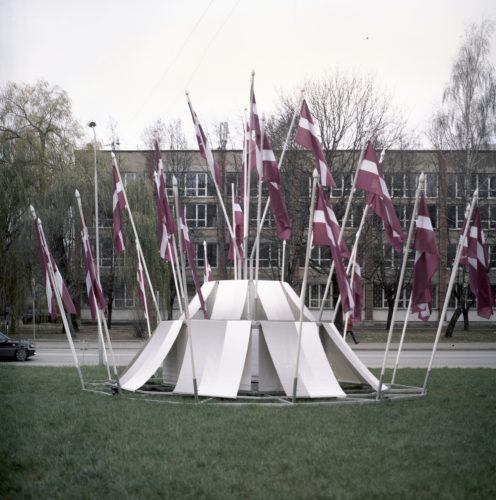
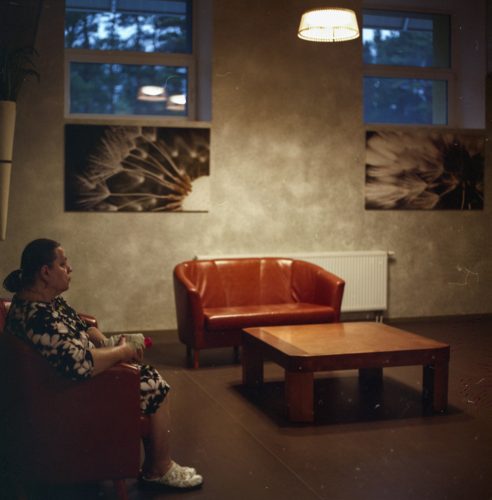
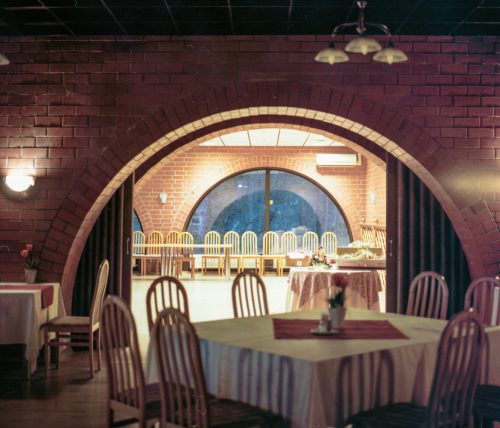
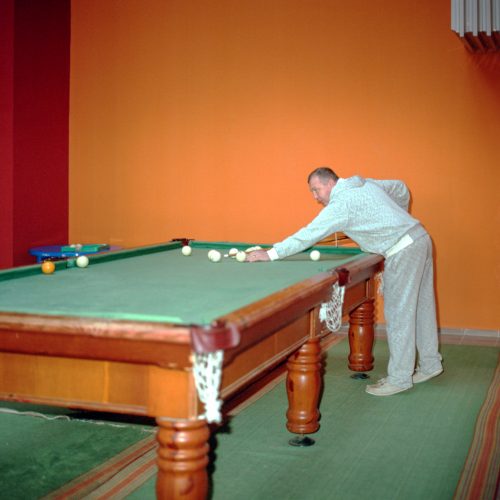
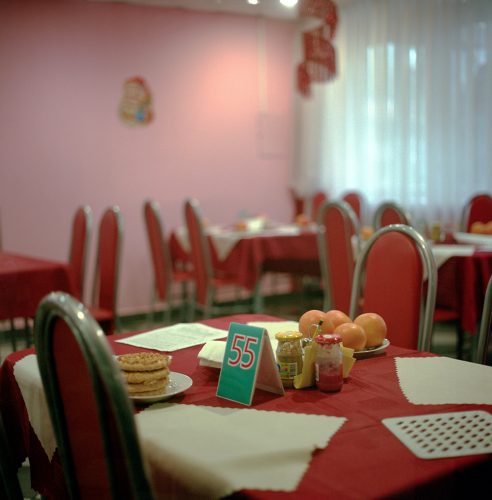
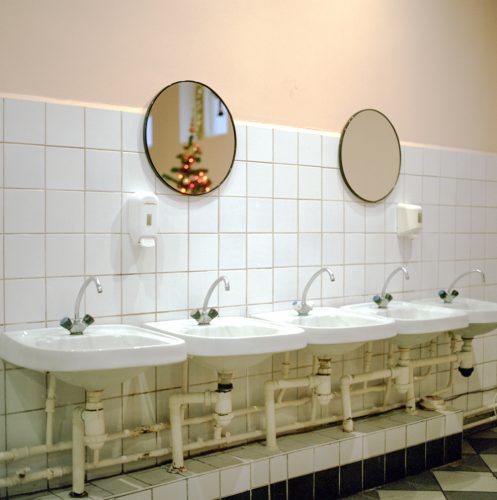
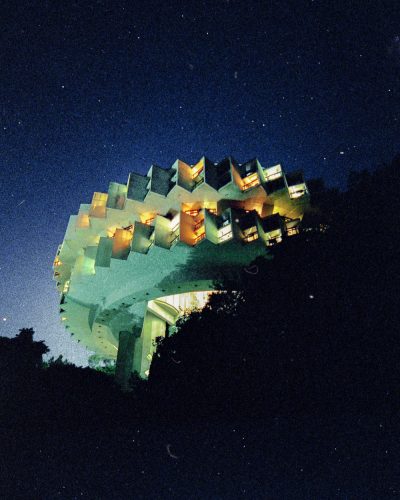
苏联美学的建筑内饰和未来主义风格的建筑,同时也穿插出现着现代着装的游人。在这样的衬托对比下画面仿佛发生了某种时空上的错乱——它们在历史与当下间不停地游走,不知不觉地成为了我们回望历史与描摹当下的图像样本。
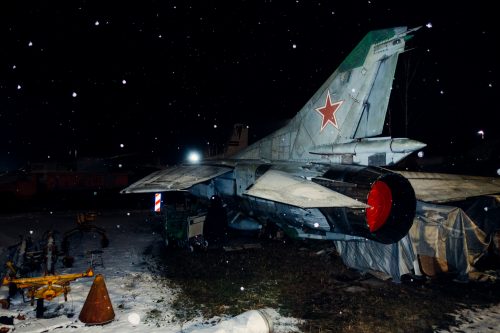
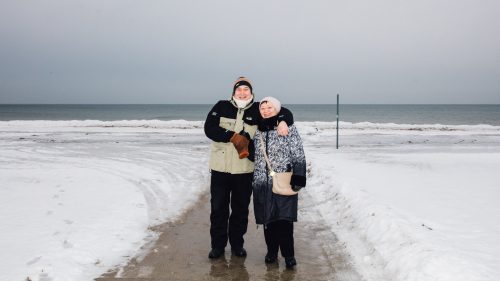
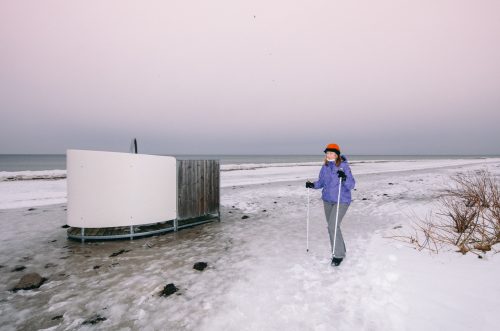
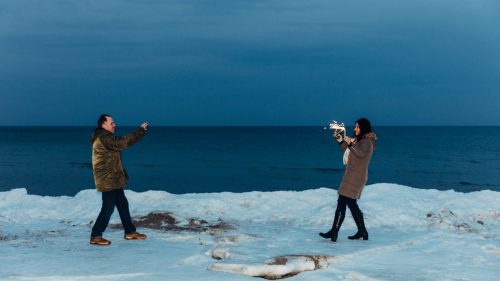
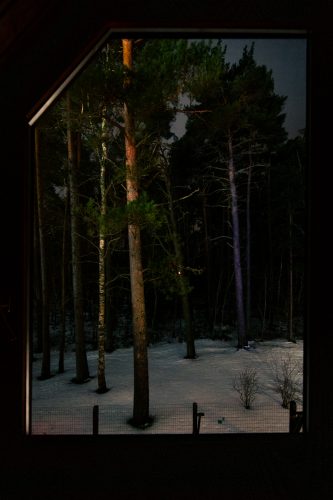
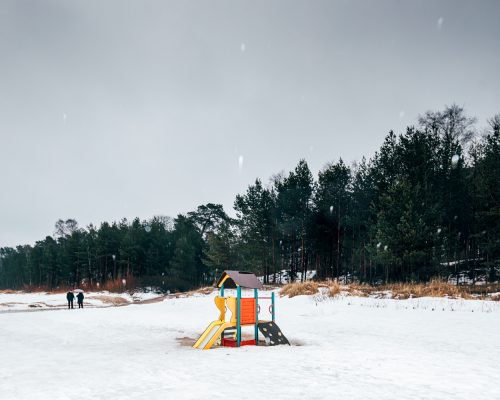
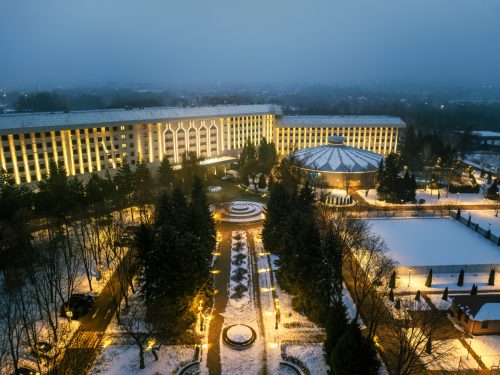
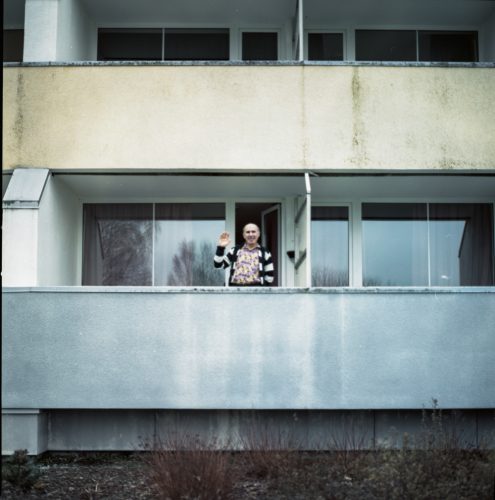
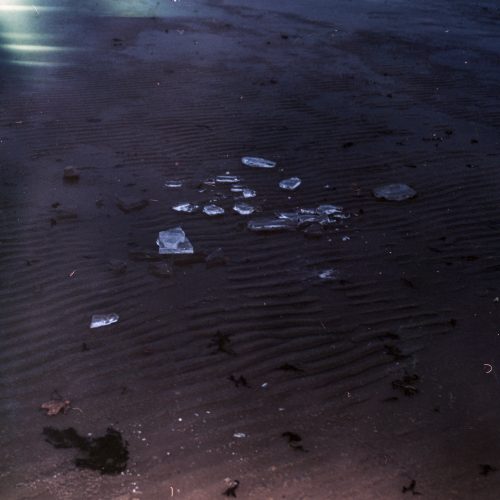
雪下得很大,我第一次去带雪的海岸,荒凉又壮阔。期间我碰到了一对来这里度假游玩的老夫妇,和他们聊天,并给他们拍了一些照片。之后我又一个人开始行走,在这人口密度每平方公里十人以下的地方,无风,我沿着海岸线一路走了几公里,在白色潮水间踩踏冰雪泡沫,感觉在末世里行走也不过如此。我在雪中森林里穿行,在雪夜里独自游荡,一切都很冷清,此时孤独的我与孤独的灯面面相觑,如何不会想象自己仿佛回到了那个年代呢?
“He who does not know how to rest does not know how to work.” This famous remark by Vladimir Lenin stands as the historical starting point from which we, a century later, trace the rise of sanatoriums in the former Soviet Union.
In 1920, Lenin issued the Decree on Utilizing Crimea for the Rest and Recuperation of the Working People. Over the following two years, successive labor legislations formally enshrined “mandatory vacation” in legal provisions. Thereafter, the Soviet Union began constructing sanatoriums to comply with the regulation that every citizen must spend a minimum of two weeks per year convalescing at a sanatorium. Meanwhile, the rise of Soviet balneology — a science studying the therapeutic effects of natural elements on human health — inspired many Soviet researchers in the field to advocate for using natural landscapes to alleviate people’s physical ailments and psychological feelings of social alienation. For this reason, the majority of sanatoriums were nestled within striking natural scenery.
Unlike the leisure and holiday retreats we are familiar with today, the establishment of Soviet sanatoriums was largely an ideological mission of a specific historical era. As the times progressed and shifted, these grand structures gradually fell into disrepair, sinking into the depths of history. Today, only a small number of well-preserved sanatoriums remain in active use. Alongside tourists visiting for leisure and vacation, many enthusiasts of Soviet history and culture also make pilgrimages to these sites.
Over the past years, through archival research and study of historical documents, I selectively visited eight Soviet sanatoriums built around the 1970s that remain intact to this day. Through immersive on-site experience, I sought to feel the slow, steady breath of these “witnesses of the times” amid the unfolding of history, and to document their present-day appearance.
Soviet-style architectural interiors and Futurist buildings are interspersed with visitors in modern clothing. Against this stark contrast, the images take on a sense of temporal dislocation — they drift ceaselessly between history and the present, unwittingly becoming visual specimens through which we look back at the past and portray the current moment.
The snow fell thick and heavy. It was my first time visiting a snow-laden coast, desolate yet vast and majestic. There I encountered an elderly couple on holiday; we spoke, and I took a number of photographs of them. Afterwards, I continued walking alone. In a land with a population density of fewer than ten people per square kilometer, in windless stillness, I trekked kilometers along the shoreline, stepping through snow and froth amid the white tides. It felt no different from wandering through a post-apocalyptic world. I made my way through snow-covered forests, roamed alone in the snowy night. Everything lay cold and deserted; standing face to face with a lone lamp in my solitude, how could I not feel as though I had stepped back into that very era?