


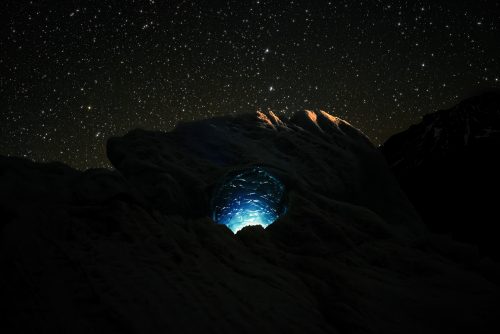
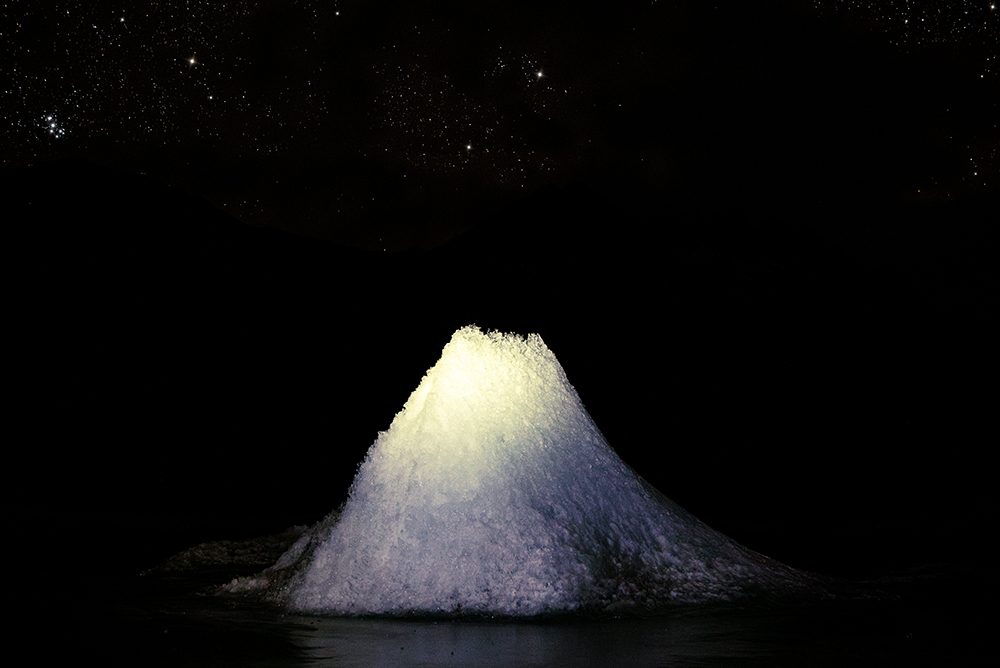
CameraDOG试图寻找少量光线与大范围黑暗环境所表达的光影关系。他认为在黑暗中走出的光线更容易被引起注意。在其他具有复杂构图的作品中,我们很少专注于某道光线或是一个物体,这使我们常常无法发现重点,并导致眼睛疲劳。对观者来说,黑暗风格可能是一种神秘的代名词。而对于他来说,他享受拍摄时明媚的天气,在把明亮照片转化为黑暗风格时,实际上在进行一项 “改变世界给定预设”的事情。
他试图调整其所记录的光线并整合它们,以形成一种“非现实”的特殊景观,来引导观者观看他所认为的画面重点。黑暗可以使观者自动忽略不重要的信息。
黑暗可以隐藏我不想让你看到的,但亦有更多细节需要被慢慢发掘。或许有的人无法在一张欠曝的照片上寻找到细节的所在,不过黑暗也是一种对光线的探索。
们在摄影到来的一百多年里几乎可以说对近代到现代所有有记载的事情都有所了解。而在1839年之前的世界,因为缺乏有力的不可篡改之图像证据,我们对于这些历史往往是模糊而有争议的。显然,明亮而细节充分的照片充当了确凿证据。而曝光失败、一团死黑的照片,(若是符合人们所定义的好看、有意思、不寻常)最多只被当作一时兴起的“艺术品”,而这类艺术品,仅仅是人们朝着一个方向的小范围探索,或是一种对于摄影术向下界限的局部延展而已。
可是我们依然需要此类照片来慢慢填补人类对于光线的未知。因为黑暗衬托了光明,只有明,而无暗,那即使是所谓的轮廓都将不复存在。这也是为什么现在3D模拟技术已经在这么发达,科技公司们依然需要研究如何使阴影更逼真的原因。
然而,观者需要小心落入黑暗所附带的无底洞,如果一味深究背后所隐藏的细节而忽视整体与重点,那么你将坠落入真正的黑暗中,并且损伤你的视力。研究表明:如果观看显示屏时,屏幕太暗会导致人往显示屏靠近,屏幕等自身发光,离眼睛非常近时,强光将直接、集中照入人的眼里从而打扰了人体的睡眠模式,长时间专注盯住屏幕往往会忘了眨眼,眨眼次数减少,造成眼睛干涩不适,容易形成干眼症,严重的可导致角膜炎或结膜炎等病症。
CameraDOG seeks to explore the light-shadow relationship expressed by a small amount of light within a vast dark environment. He believes that light emerging from darkness naturally draws greater attention. In other works with complex compositions, we rarely fixate on a single beam of light or a single object, which often prevents us from identifying the focal point and leads to eye strain. For viewers, a dark aesthetic may be synonymous with mystery. For him, however, he enjoys shooting in bright weather; transforming a bright photograph into a dark style is, in effect, an act of “altering the given presets of the world”.
He attempts to adjust and integrate the light he has captured to form a distinct kind of “unreal” landscape, guiding viewers to what he considers the focal points of the frame. Darkness allows viewers to automatically disregard unimportant information.
Darkness can hide what I do not wish you to see, yet it also holds more details waiting to be uncovered gradually. Some people may struggle to locate details in an underexposed photograph, but darkness is itself a form of exploration into light.
Over the more than one hundred years since the invention of photography, we have gained knowledge of nearly every documented event from the modern era onward. Before 1839, however, our understanding of history is often vague and contested, due to the lack of solid, tamper-proof visual evidence. Clearly, bright, detail-rich photographs serve as irrefutable evidence. By contrast, failed, pitch-black exposures — when deemed beautiful, interesting, or unusual by conventional standards — are at best dismissed as whimsical “artworks.” Such works are regarded as nothing more than a narrow exploration in one direction, or a marginal extension of the lower limits of photographic practice.
Yet we still need photographs of this kind to gradually fill the gaps in humanity’s understanding of light. For darkness sets off light; where there is only brightness without shadow, even the very notion of contour ceases to exist. This is precisely why, even with today’s highly advanced 3D simulation technology, tech companies continue to research ways to render shadows more realistically.
Viewers must, however, be wary of falling into the bottomless pit that darkness can entail. If one obsessively fixates on the hidden details while ignoring the whole and its focal point, one will plunge into true darkness and impair one’s vision. Studies show that viewing an excessively dim display causes people to lean closer to the screen. As self-illuminating devices, screens emit light that falls directly and intensely into the eyes when held too close, disrupting the body’s sleep patterns. Prolonged, concentrated staring at a screen also reduces blink frequency, causing dryness and discomfort in the eyes, which can easily lead to dry eye syndrome and, in severe cases, conditions such as keratitis or conjunctivitis.